Unlearning Invisibility
The cost of being seen

We are taught obedience before we are taught self-acceptance.
To be agreeable. To sit still. To stay quiet.
And then we grow up wondering why visibility feels so uncomfortable, why we shrink in rooms where we want to be seen, why the thought of judgment feels paralyzing. We were trained to earn approval, not to take up space.
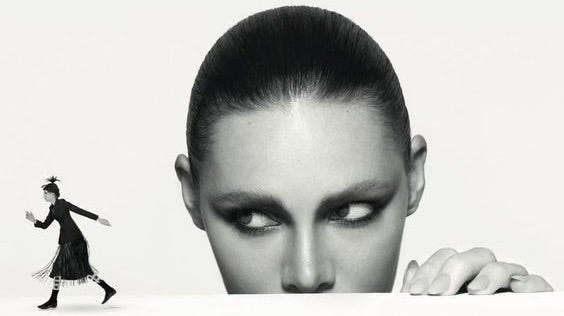
But I’ve always found people’s flaws to be the most beautiful thing about them. The cracks, the quirks, the moments of imperfection, those are what make someone feel real. When someone shows you their raw edges, it’s not weakness. It’s trust. It’s proof that they feel safe enough to be human around you.
So why are we so afraid of being seen for our flaws, our mess, our in-between moments? You can’t have real connection without vulnerability. Without it, we’re all just polished replicas—safe, acceptable, and painfully the same.
We spend so much of our lives editing ourselves down to what feels palatable. We hide the parts of us that might make someone uncomfortable, the opinions that might sound too strong, the dreams that might sound too big. We shrink so we don’t risk rejection, not realizing that the version of us people end up loving is just a fraction of who we really are.
But the truth is: being seen is the cost of being known. You can’t have one without the other. If you want real connection, you have to let people witness you—not just the highlight reel, but the parts that are still healing, still uncertain, still figuring it out.
It’s easy to curate perfection. It’s harder to stand in your full truth and let the world see the unfiltered version. But that’s where intimacy begins—in the small, unpolished moments where we stop performing and start existing.
Because maybe the goal was never to be admired.
Maybe it was to be understood.